
Combined Science ZW
Master the full ZIMSEC Combined Science syllabus from Form 1 to Form 4 — Biology, Chemistry, and Physics concepts explained clearly, practically, and exam-ready.
The beauty of Learning— Enstay
What you'll learn
What you'll be able to do
- Demonstrate safe laboratory practices and correctly identify and use standard laboratory apparatus
- Describe cell structure, cell types, and explain the levels of biological organisation from cell to organism
- Explain the principles of nutrition in plants and animals, including digestion, absorption, and balanced diets
- Describe the mechanisms of breathing and gaseous exchange in humans and other organisms
- Explain how water, minerals, and manufactured food are transported in plants and how blood circulates in humans
- Describe sexual and asexual reproduction in plants and humans, including fertilisation and development
- Identify common diseases, their causes, transmission, prevention, and the role of the immune system
- Apply separation techniques (filtration, distillation, chromatography, etc.) to separate mixtures
- Classify matter by state, describe particle theory, and explain physical and chemical changes
- Distinguish acids, bases, and salts, perform neutralisation calculations, and describe industrial chemical processes including the Haber and Contact processes
How it works
A school that adapts to you
This isn't a set of static videos. Every lesson is generated live and tuned to where you actually are.
We learn your level
A quick placement check tailors your starting point so you're never bored or lost.
Lessons adapt as you go
Each lesson is written for your pace and your goal, adjusting as your skills grow.
Your AI coach keeps you moving
Checkpoints, feedback, and gentle nudges turn progress into a real result.
The curriculum
What's inside your school
18 modules · 156 lessons

Laboratory Safety and Apparatus
Establish a safe, confident foundation in the science laboratory. Students learn to identify apparatus, understand safety symbols, handle chemicals responsibly, and conduct basic experiments without risk.
- 1.1Laboratory Rules and Safety SymbolsIncluded
- 1.2Common Laboratory Apparatus and Their UsesIncluded
- 1.3Measuring in the LaboratoryIncluded
- 1.4Setting Up and Reporting an ExperimentIncluded
Cells and Levels of Organisation
Explore the building blocks of all living things. Students examine cell structure in plants and animals, compare prokaryotic and eukaryotic cells, and trace the hierarchy from cell to tissue to organ to organism.
- 2.1Cell Structure: Animal and Plant CellsIncluded
- 2.2Similarities and differences of plant and animal cellsIncluded
- 2.3Types of variation: continuous and discontinuousIncluded
- 2.4Structures and functions of specialised cellsIncluded
- 2.5Use of a microscopeIncluded
- 2.6EcosystemsIncluded
Nutrition
Investigate nutrition in both plants and animals — from photosynthesis and mineral requirements in plants to the human digestive system, enzymes, and the importance of a balanced diet.
- 3.1Photosynthesis and Plant NutritionIncluded
- 3.2Factors affecting rate of photosynthesisIncluded
- 3.3Conditions necessary for photosynthesisIncluded
- 3.4Teeth and digestionIncluded
- 3.5Digestive system in humansIncluded
- 3.6Absorption and AssimilationIncluded
- 3.7Deficiency diseasesIncluded
- 3.8Food testsIncluded
Respiratory Systems
Understand how living organisms obtain energy from food through respiration, how humans breathe, and how gases are exchanged in the lungs and at the tissue level.
- 4.1Respiratory gasesIncluded
- 4.2Respiratory organsIncluded
- 4.3The Human Breathing SystemIncluded
- 4.4Gaseous exchange in alveoliIncluded
- 4.5Aerobic and Anaerobic RespirationIncluded
Transport Systems
Explore how substances are transported in plants (via xylem and phloem) and in humans (via the circulatory system), including the structure and function of the heart, blood vessels, and blood components.
- 5.1Osmosis and diffusionIncluded
- 5.2Components of bloodIncluded
- 5.3Blood Vessels and BloodIncluded
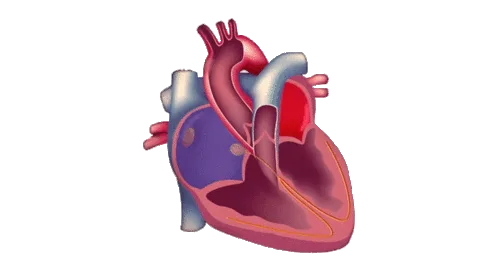
- 5.4Heart structure and associated blood vesselsIncluded
- 5.5Structure of blood vesselsIncluded
- 5.6Root and stem structureIncluded
- 5.7Water and Ion Uptake in PlantsIncluded
- 5.8Transpiration - factors affecting rate of transpirationIncluded
- 5.9Measurement of transpirationIncluded
- 5.10PlasmolysisIncluded
- 5.11TurgidityIncluded
- 5.12Adaptations of plants to reduce transpirationIncluded
Reproductive Systems
Study sexual and asexual reproduction in plants and humans, including the structure of reproductive organs, fertilisation, development, and methods of birth control.
- 6.1Reproduction in plants: flower structure, pollination, fertilisation, seed dispersalIncluded
- 6.2Detailed structure of a wind and insect-pollinated flowerIncluded
- 6.3Structure of the seedIncluded
- 6.4GerminationIncluded
- 6.5Asexual Reproduction and Its ApplicationsIncluded
- 6.6Human reproductive organsIncluded
- 6.7PubertyIncluded
- 6.8Functions of human reproductive organsIncluded
- 6.9Male and female reproductive systemsIncluded
- 6.10Sex cellsIncluded
- 6.11Fertilisation, pregnancy, placenta and child careIncluded
- 6.12Menstrual cycleIncluded
- 6.13InheritanceIncluded
- 6.14Methods of contraceptionIncluded
- 6.15ContraceptivesIncluded
Health and Diseases
Understand the difference between communicable and non-communicable diseases, how pathogens cause illness, how the body defends itself, and the role of vaccination and hygiene in public health.
- 7.1Health and hygieneIncluded
- 7.2Methods of transmission of pathogensIncluded
- 7.3Common parasitic diseases: cholera, Ebola, malaria, bilharziaIncluded
- 7.4Sexually Transmitted Infections (STIs)Included
- 7.5Life cycle of bilharzia parasite and symptoms of bilharziaIncluded
- 7.6Signs and symptoms, causes and treatment/control of cholera, Ebola, malaria and typhoidIncluded
- 7.7Abuse of drugs: medicinal uses, addiction, hallucination, depressantsIncluded
- 7.8HIV/AIDSIncluded
- 7.9ImmunityIncluded
Separation Techniques
Explore the physical methods used to separate mixtures, understanding the principle behind each technique and when to apply them to pure and impure substances.
- 8.1FiltrationIncluded
- 8.2Evaporation and CrystallisationIncluded
- 8.3Chromatography and Magnetic SeparationIncluded
- 8.4Winnowing and DecantingIncluded
- 8.5Applications of: filtration, magnetism, winnowing, decanting, evaporationIncluded
- 8.6Distillation and fractional distillationIncluded
Matter
Investigate the three states of matter, particle theory, physical and chemical changes, atomic structure, the Periodic Table, and chemical bonding — forming the chemical foundation for all further study.
- 9.1States of Matter and Particle TheoryIncluded
- 9.2Kinetic theoryIncluded
- 9.3Metals and nonmetalsIncluded
- 9.4Elements, mixtures and compoundsIncluded
- 9.5Concentrations of solutionsIncluded
- 9.6Groups and periodsIncluded
- 9.7Atomic Structure and the Periodic TableIncluded
- 9.8Chemical Bonding: Ionic, Covalent, and MetallicIncluded
- 9.9Chemical Formulae, Equations, and Mole CalculationsIncluded
- 9.10Nuclide notationIncluded
- 9.11Names and groups of elementsIncluded
- 9.12Mole concept, empirical and molecular formulaeIncluded
- 9.13ConcentrationIncluded
- 9.14Reactivity seriesIncluded
- 9.15Factors affecting rate of reactionIncluded
Acids, Bases and Salts
Master the chemistry of acids, bases, and salts — their properties, reactions, and preparation.
- 10.1Identification of acids and bases: litmus paper testIncluded
- 10.2Acid- base reactionsIncluded
- 10.3pH scaleIncluded
- 10.4Preparation of saltsIncluded
- 10.5Reactions of metal + acid, acid + base, acid + carbonateIncluded
- 10.6Titration of bases with acidIncluded
Industrial Processes
Explore how scientific principles are applied in real-world industrial settings across Biology, Chemistry, and Physics. This module covers key ZIMSEC Combined Science industrial processes — including the manufacture of important chemicals, extraction of metals, biotechnology applications, and energy production — showing you how classroom concepts connect to practical, large-scale operations. By the end of this module, you will be able to explain the science behind major industries, evaluate the conditions used to optimise production, and confidently tackle exam questions on industrial applications.
- 11.1Production of peanut butterIncluded
- 11.2Production of soapIncluded
- 11.3Fractional distillation of liquidIncluded
- 11.4ElectrolysisIncluded
- 11.5ElectroplatingIncluded
- 11.6Haber processIncluded
- 11.7Contact processIncluded
Oxidation & Reduction
Explore the fascinating world of chemical change through the lens of oxidation and reduction. In this module, you will uncover what it really means for a substance to gain or lose oxygen, hydrogen, or electrons — and why these reactions matter in everyday life and industry. From rusting metals to the extraction of ores, you will connect core theory to real-world applications while building the exam skills needed to tackle ZIMSEC questions with confidence. By the end of this module, you will be able to define oxidation and reduction, identify oxidising and reducing agents, and apply these concepts accurately in both written explanations and chemical equations.
- 12.1Rusting: factorsIncluded
- 12.2Chemical reactions: combustionIncluded
- 12.3Extraction of ironIncluded
- 12.4Alloy formationIncluded
Data Presentation
Learn how to organize, display, and interpret scientific data using tables, graphs, and charts. This module covers the key data presentation skills required across Biology, Chemistry, and Physics in the ZIMSEC Combined Science syllabus — from drawing accurate line graphs and bar charts to reading trends and drawing conclusions from results. By the end of this module, you will be able to present experimental data clearly and confidently tackle data-based questions in your exams.
- 13.1Tallies, tables, bar graphsIncluded
- 13.2Straight line graphsIncluded
- 13.3Pie charts, line graphs, interpretationIncluded
- 13.4Pie charts, line graphs, interpretation and analysisIncluded
Measurements
Get started with the essential foundation of all scientific study. In this module, you will learn how to take accurate measurements using standard SI units, work with scientific instruments such as rulers, measuring cylinders, balances, and stopwatches, and understand concepts like length, mass, volume, time, and temperature. You will also explore the importance of precision, accuracy, and significant figures in recording and reporting data. These skills are applied throughout every topic in Biology, Chemistry, and Physics — mastering them here sets you up for success across the entire ZIMSEC Combined Science syllabus.
- 14.1Physical quantitiesIncluded
- 14.2S.I unitsIncluded
- 14.3PrefixesIncluded
- 14.4ConversionsIncluded
- 14.5DensityIncluded
- 14.6Physical quantities, accuracy and precisionIncluded
- 14.7Density of liquidsIncluded
- 14.8Derived quantitiesIncluded
Force
Explore the concept of force and its role in the physical world. In this module, you will learn what forces are, the different types of forces (including gravity, friction, and tension), and how they affect the motion and shape of objects. Through clear explanations and practical examples aligned with the ZIMSEC syllabus, you will develop a solid understanding of how to measure forces, apply Newton's Laws of Motion, and solve exam-style problems with confidence. By the end of this module, you will be well-equipped to tackle force-related questions in your Combined Science examinations.
- 15.1Effects of forceIncluded
- 15.2Types of forceIncluded
- 15.3Measurement of forceIncluded
- 15.4Moments of forceIncluded
- 15.5Resultant forceIncluded
- 15.6LeversIncluded
- 15.7Weight/mass machines: inclined plane, pulleys, levers and gearsIncluded
- 15.8Principles of pressureIncluded
- 15.9Fluid systemsIncluded
- 15.10PumpsIncluded
Energy
Explore the concept of energy in its many forms — from kinetic and potential energy to heat, light, sound, and electrical energy. This module unpacks how energy is transferred, transformed, and conserved in everyday situations and scientific contexts. Aligned with the ZIMSEC Combined Science syllabus, you'll build a solid understanding of energy principles drawn from Biology, Chemistry, and Physics, supported by clear explanations, real-world examples, and exam-focused practice to help you perform with confidence.
- 16.1Types of energyIncluded
- 16.2Energy conversionsIncluded
- 16.3Law of conversion of energyIncluded
- 16.4Calculations on workIncluded
- 16.5Properties of lightIncluded
- 16.6Sound energyIncluded
- 16.7Petrol and diesel enginesIncluded
- 16.8Heat transfer: convection, conduction and radiationIncluded
- 16.9Heat transfer applications: solar water heater and solar cookerIncluded
- 16.10TelecommunicationsIncluded
Magnetism and Electricity
Explore the fascinating world of Magnetism and Electricity in this module, aligned with the ZIMSEC Combined Science syllabus. You will investigate the properties of magnets, magnetic fields, and the relationship between electricity and magnetism. From understanding basic circuits — including current, voltage, and resistance — to applying Ohm's Law and exploring electromagnetism, this module builds both conceptual understanding and practical skills. Topics are broken down into clear, step-by-step lessons to help you confidently tackle related questions in your Form 1 to Form 4 examinations.
- 17.1Magnets, poles, fields, compassIncluded
- 17.2Static electricity: chargesIncluded
- 17.3Current electricity: conductors and insulatorsIncluded
- 17.4Circuit componentsIncluded
- 17.5Attraction and repulsionIncluded
- 17.6Circuit symbols and diagramsIncluded
- 17.7Measurement of electricityIncluded
- 17.8ElectromagnetismIncluded
- 17.9Motor effectIncluded
- 17.10Generator effectIncluded
- 17.11ElectroscopeIncluded
- 17.12LightningIncluded
- 17.13Ohm’s LawIncluded
- 17.14ResistanceIncluded
- 17.15ResistorsIncluded
- 17.16Electrical power and energyIncluded
- 17.17Power generationIncluded
- 17.18Electrical safetyIncluded
- 17.19Domestic electricityIncluded
Robotics
Explore the exciting world of robotics and discover how science, technology, and engineering come together to create intelligent machines. In this module, you will learn the fundamental principles behind how robots are designed, built, and programmed — connecting core concepts from Biology, Chemistry, and Physics to real-world automation. Through clear explanations and practical examples, you will develop an understanding of sensors, motors, control systems, and the role robotics plays in modern industry and everyday life. By the end of this module, you will be able to confidently apply Combined Science principles to robotics-related questions in your ZIMSEC examinations.
- 18.1Introduction to robotics - History of robots, Types of robots, Basic components of a robotIncluded
- 18.2Safety and ethics in roboticsIncluded
- 18.3Sensors and actuatorsIncluded
- 18.4Tools and applications for robot designIncluded
- 18.5Logic gatesIncluded
- 18.6Tools and applications for robot designIncluded
- 18.7Robot constructionIncluded
- 18.8Robot programmingIncluded
Who it's for
Is this you?

Preparing for O Level Exams?
This course gives practice to Zimsec Exam-type questions
Having problems understanding Physics?
Step-by-step knowledge building offered
Starting your Secondary school?
This full course builds content from form 1 level to O level stages.
Questions
Frequently asked
Your teacher
A note from your teacher

Enstay
Hello and welcome! I am so glad you have decided to take charge of your Combined Science journey. This subject covers an incredible range of ideas — from the tiniest cell in your body to the massive industrial factories that produce fertilisers and medicines. I have designed this course because I know how overwhelming it can feel to sit in front of a thick Combined Science textbook with exams approaching. My goal is simple: to break every topic down so clearly that you not only pass — you genuinely enjoy learning science. Whether you are starting from Form 1 basics or revising for your Form 4 ZIMSEC exams, I am here with you every step of the way. Let's get started!
— Enstay
Start your journey today
Join get instant access — learn at your own pace with an AI coach in your corner.
$10/mo
Recurring billing · cancel anytime
Enrolling a child? Sign up as a parent — you'll add your student right here after.
Secure checkout · Instant access
- 18 modules, 156 lessons
- AI-adaptive lessons tuned to your level
- Quizzes & checkpoints to lock in progress
- Your own AI learning coach
- Learn on any device, at your pace
- Full access for as long as you're subscribed